
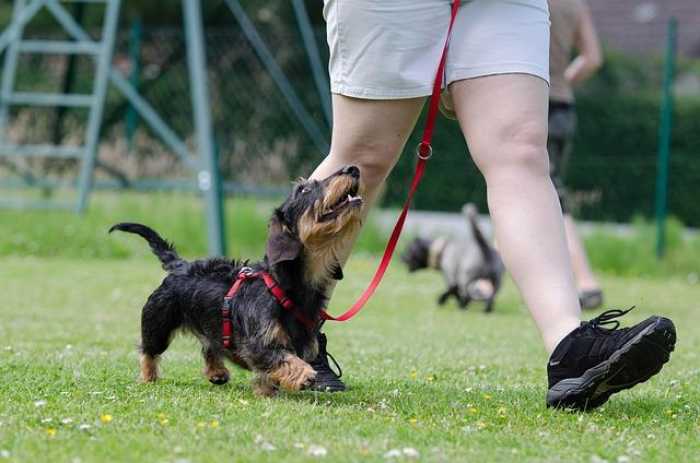
Hey there, dog lovers! 🐾 are you ready to turn your home into a pup training paradise? Whether you’ve just welcomed a fluffy bundle of joy into your life or you’re trying to refine the skills of your long-time fur buddy, mastering dog training at home can be a total game changer! With a little patience, some tasty treats, and a whole lot of love, you’ll not only strengthen your bond with your four-legged friend but also enjoy a well-behaved companion who’s always ready for adventure. So grab that leash, and let’s dive into some pawsitive tips and tricks to help you train your dog like a pro-all from the comfort of your living room. Let’s get tail-wagging results together! 🐶💖
Unleashing the Basics: Essential Training Commands for Every Pup
Training your pup doesn’t have to be a struggle; it can be a fun bonding experience! Start with the essential commands that lay the groundwork for more advanced training. Here are the basics you should focus on:
- Sit: A simple command that helps establish control and is frequently enough the first command taught.
- Stay: Teach your pup to remain in place,which can be invaluable for keeping them safe.
- Come: Essential for recall, this command is key when you want your dog to return to you.
- Leave it: A must for preventing your dog from snatching up something dangerous or unwanted.
- Heel: Encourages your pup to walk beside you calmly, making walks enjoyable.
Once you’ve established these commands, practice them consistently, but keep the sessions short and sweet! Use positive reinforcement, like treats and praise, to make learning enjoyable. Check out the table below for a fast overview of tips for mastering these commands:
| Command | Tip |
|---|---|
| sit | Use a treat to guide them into position, then reward. |
| Stay | Start with short intervals and gradually increase the time. |
| Come | Always reward them for coming back, even if it takes a while. |
| Leave it | Practice with low-value items before moving to higher-value ones. |
| Heel | use a treat to encourage your dog to stay close to your side. |
Creating a Pawsome Training Space: Tips for a Distraction-Free zone
Creating a distraction-free space for your furry friend is essential for effective training. Start by choosing a designated area in your home where your pup feels comfortable and secure. this could be a quiet room or a corner of your living space. Minimize distractions by removing items that could draw your dog’s attention, such as toys, food bowls, or othre pets. Consider using calming colors for the space, like soft blues or greens, which can help your dog feel more relaxed and focused. Pay attention to sounds as well; keep the TV off, lower the volume of music, or even try a white noise machine if necessary.
Next up, make sure your training space is stocked with all the essentials to keep your sessions fun and engaging. Here are some must-haves for your training toolkit:
- Treats: Use small, high-value rewards that entice your dog.
- Clicker: A clicker can provide consistent feedback to your dog.
- Training leash: Keep it short and sturdy for better control.
- Puppy pads: Ideal for house training, especially for younger pups.
Having everything you need at your fingertips will keep sessions running smoothly. Remember, a calm and prepared environment leads to quicker learning and lots of pawsitive reinforcement!
Positive Reinforcement: treats and Praise That Really Work
Positive reinforcement is a game changer in dog training, making it not just effective but also fun for both you and your furry friend! Nothing motivates a pup like a tasty treat or some excited praise. To get the best results, it’s essential to find what your dog loves the most. Think about:
- High-value treats: Opt for options that are special and flavorful, like small bits of chicken, cheese, or commercial training treats.
- Praise with gusto: Use an energetic tone and happy body language to let your dog know how proud you are. Tail wags in return say it all!
- Timing is key: Always reward your dog instantly after thay exhibit the desired behavior, so they make the connection.
- Consistency: Use the same cues and rewards for specific behaviors to reinforce learning.
Another great tactic? Creating a rewards chart to track your dog’s progress! This not only keeps you motivated but turns training into a fun game.
| Behavior | Reward |
|---|---|
| Sit | Small treat + “Good dog!” |
| Stay | Praise + belly rub |
| Come | favorite toy + lots of happiness |
Using treats and verbal praise strategically fosters an enjoyable atmosphere that encourages learning. Not only will your dog be excited to train, but their love for you will grow as they associate positive experiences with good behavior!
Common Training Mistakes to Avoid: Don’t Let These Slip Through the Cracks
Training your furry friend should be a fun and fulfilling journey, but it’s easy to make simple mistakes that can impede progress. One major pitfall is inconsistency. If you don’t maintain a consistent command and reward system, your dog may become confused. As an example, if you say “sit” one day and “down” the next without proper reinforcement, your pup won’t understand what you want.Also, be mindful of your body language; dogs are great observers and can pick up on your non-verbal cues. avoid mixed signals that could lead to unwanted behaviors.
Another common error is skipping socialization. Failing to expose your dog to different people, environments, and situations can result in fearfulness or aggression down the line. Ensure your training routine includes playdates, walks in busy parks, and trips to pet-pleasant spaces. Additionally, don’t underestimate the power of short training sessions; long practices can lead to boredom. Aim for 15-20 minute training intervals to keep it engaging and effective.Remember, frequent, short training sessions yield better results than occasional lengthy ones.
Q&A
Q&A: Master Dog Training at Home: Tips for Pawsitive Results!
Q: Can I really train my dog myself at home?
A: Absolutely! With a little patience and consistency, you can train your dog right in the comfort of your home. It’s all about building a bond and using positive reinforcement. Plus, who doesn’t love showing off a well-behaved pup at the dog park?
Q: What are the key commands I should start with?
A: Start with the basics! Commands like “sit,” “stay,” “come,” and “down” are great foundational commands. Once your dog masters those, you can move on to fun tricks like “roll over” or “play dead.” Remember, it’s all about building upon what they’ve learned!
Q: Do I need special equipment for training?
A: Not really! Most of the time, all you need is some tasty treats, a clicker (if you’re into clicker training), and a leash for outdoor training. Of course, a comfy training space and your dog’s favorite toy can be helpful too, but fancy gear isn’t a must!
Q: How long should training sessions be?
A: Keep it short and sweet! Aim for 5-10 minute sessions a few times a day. Dogs have short attention spans (just like us, right?) so short bursts of training keep it fun and engaging. Plus, it gives your pup a chance to show off their new skills without getting overwhelmed.
Q: My dog seems to loose interest during training. What should I do?
A: Mix it up! If your dog’s attention is wandering,try changing the location or incorporating games into your training sessions. And remember to end on a positive note-give them lots of praise and a treat when they successfully perform a command. It helps keep them motivated for next time!
Q: Is it crucial to socialize my dog while training at home?
A: Absolutely! Socialization is key for a well-rounded dog. Try to introduce your pup to new sights, sounds, and other friendly dogs or people. This helps them learn to behave in different environments and reduces fearfulness. Bonus: it makes the training experience more enjoyable when there are new things to explore!
Q: How do I handle bad behavior?
A: Patience and consistency are your best friends.Instead of punishing your dog, redirect them towards good behavior. For example, if they’re chewing on your shoes, give them a toy rather. Always remember to reward positive actions to reinforce good behavior!
Q: Any final tips for success?
A: Have fun with it! Training should be an enjoyable experience for both you and your dog. Stay positive,keep things light-hearted,and celebrate those little victories. And when in doubt, a good belly rub never hurts! Happy training, and here’s to you and your pup’s pawsitive journey together! 🐾
Future Outlook
And there you have it, paw-some pals! By now, you should have a treasure trove of tips and tricks to turn your home into a dog-training wonderland. Remember, the key to mastering dog training lies in patience, positivity, and plenty of belly rubs. Whether you’re tackling basic commands, advanced tricks, or just helping your furry friend reshape their behavior, a little persistence goes a long way.
So grab those treats, channel your inner dog whisperer, and have fun with your four-legged companion! Share your training victories (and funny moments) with us in the comments below, as every wag and woof deserves party.
Until next time, oh-so-cool canine coaches, keep it pawsitive and enjoy every moment with your best buddy. Happy training! 🐾✨


